FESYEN BERKELANJUTAN SEBAGAI PRAKTIK HALAL BEHAVIOR PADA MAHASISWA FAKULTAS EKONOMI DAN BISNIS ISLAM UIN K.H. ABDURRAHMAN WAHID PEKALONGAN
DOI:
https://doi.org/10.56874/ykeerg49Keywords:
fesyen berkelanjutan, halal behavior, konsumsi Islam, perilaku konsumen, mahasiswaAbstract
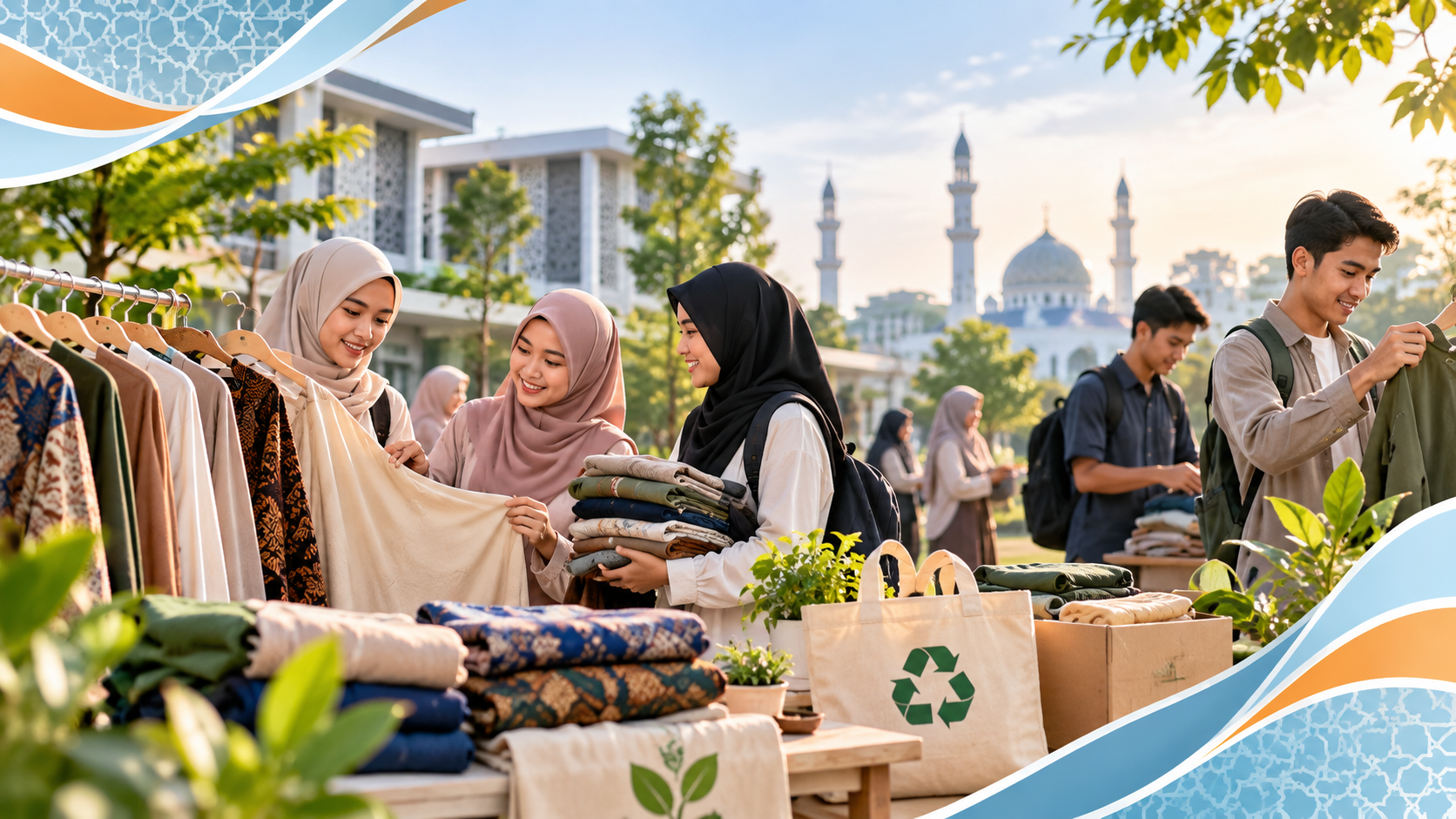
The increasing population makes fashion a necessity as a lifestyle. Supporting your appearance with a touch of various types of fashion models increases public demand. A phenomenon will certainly have an impact, both in the short and long term. Sustainable fashion with the concept of paying attention to sustainability aspects over a long period of time. This research aims to look at the implementation of sustainable fashion in building good habits (halal behavior). This research uses descriptive qualitative methods with research instruments of observation and interviews with students at the Faculty of Economics and Islamic Business, UIN K.H. Abdurrahman Wahid Pekalongan. The research results show that the positive response from the public regarding sustainable fashion has provided awareness of the importance of the concept of sustainability itself. Balanced with a background that has a religious side, the concept of halal behavior is in line with sustainable fashion. Both are interconnected with each other which can provide benefits in several points such as people, planet and profit.
References
Adinugraha, H. H., & Sartika, M. (2019). Halal lifestyle di Indonesia. An-Nisbah: Jurnal Ekonomi Syariah, 6(1), 57–81. https://doi.org/10.21274/an.2019.6.1.57-81
Al Farisi, M. S., Anwar, S., Haryono, S., & Ab Wahid, H. (2025). Sustainable consumer behavior of halal cosmetics in Indonesia e-commerce: A maslahah-based approach. IQTISHODUNA: Jurnal Ekonomi Islam, 14(1), 65–84. https://doi.org/10.54471/iqtishoduna.v14i1.2674
Amalia, N., Nurbaiti, & Jannah, N. (2023). Analisis trend fashion muslim dalam meningkatkan halal lifestyle di kalangan mahasiswa di Kota Medan. Jurnal Masharif Al-Syariah: Jurnal Ekonomi dan Perbankan Syariah, 8(3). https://doi.org/10.30651/jms.v8i3.20726
Endrayana, J. P. M., & Retnasari, D. (2021). Penerapan sustainable fashion dan ethical fashion dalam menghadapi dampak negatif fast fashion. Prosiding Pendidikan Teknik Boga Busana, 16(1), 1–6.
Glavič, P., & Lukman, R. (2007). Review of sustainability terms and their definitions. Journal of Cleaner Production, 15(18), 1875–1885. https://doi.org/10.1016/j.jclepro.2006.12.006
Jannah, N. (2026). Green halal fashion: Integrasi prinsip keberlanjutan dan syariat Islam dalam industri fashion Muslim Indonesia. Jihbiz: Jurnal Ekonomi, Keuangan dan Perbankan Syariah, 10(2), 183–197. https://doi.org/10.33379/jihbiz.v10i2.10386
Kurniawati, D. A., & Savitri, H. (2020). Awareness level analysis of Indonesian consumers toward halal products. Journal of Islamic Marketing, 11(2), 531–546. https://doi.org/10.1108/JIMA-10-2017-0104
Neuman, W. L. (2013). Metodologi penelitian sosial: Pendekatan kualitatif dan kuantitatif. Indeks.
Qiddist Sayyida, S., & Wardaya, M. (2021). Sustainable fashion, investasi pada produk fashion yang berkualitas untuk mengurangi limbah fashion yang menumpuk. Nirmana, 21(2), 92–96. https://doi.org/10.9744/nirmana.21.2.92-96
Rohim, A. N., & Priyatno, P. D. (2021). Pola konsumsi dalam implementasi gaya hidup halal. Maro: Jurnal Ekonomi Syariah dan Bisnis, 4(2), 26–35. https://doi.org/10.31949/maro.v4i2.1302
Zahra Harya Puspa, N., & Manalu, S. R. (2021). Kampanye gerakan lingkungan dan aktivisme online di media sosial (Studi kasus pada aktivisme sustainable fashion di media sosial Instagram). Interaksi Online, 9(3), 193–207. https://ejournal3.undip.ac.id/index.php/interaksi-online/article/view/31452
Downloads
Published
Issue
Section
License
Copyright (c) 2026 EKSYA : Jurnal Ekonomi Syariah

This work is licensed under a Creative Commons Attribution-NoDerivatives 4.0 International License.